No Results Found
The page you requested could not be found. Try refining your search, or use the navigation above to locate the post.


Enjoy a ride through the Upper Sava Valley, across bridges over the Sava River, with magnificent views of the Julian Alps. The route to Mojstrana is fully paved and follows one of the most beautiful and longest cycling routes in Gorenjska – from Jesenice to the Belopeška Lakes. It is named after the sadly passed Slovenian cyclist Jure Robič and runs along a disused railway line – part of the D-2 cycling route linking Croatia and Italy.

One of the beautiful views along the cycling route to Mojstrana
Cycling route Kranjska Gora – Mojstrana cycling route follows the Sava River along the route of the former railway. The cycle path is close to traffic and, as it does not contain any major climbs or descents, it is really suitable for families with small children.
From the Reset Apartments, turn left along the cycling route to Kranjska Gora, ride through the center straight past the church, and continue downhill past the fire station all the way to the bypass. Here you cross the bridge over the Pišnica River and stay on the road until you reach the cemetery, where the cycling route starts. From here on, miles of unspoiled nature, the coolness of spruce forests, and unforgettable views of the mighty Julian Alps await you. The route passes by the village of Martuljek, along the Sava River, over numerous bridges and several small resting places where you can relax or have a picnic.
If you are a mountain biking enthusiast, you can leave the cycling route in the village of Martuljek and join the regional road where you turn left at the turn-off for Srednji vrh. You will have to climb up to the village of Srednji vrh and on to Blekova planina and the mountain pass below Trupej, which is also the highest point of the tour. Return via Grajščica and Kesišče and continue onwards all the way to the village of Belca.
You can choose to visit the Slovenian Alpine Museum as your cycling destination or continue up the Vrata Valley, see the Peričnik Waterfall, or have a stew at the Jakob Aljaž House. For those with a lot of stamina, we recommend that you continue through the Radovna valley, past Jezero Kreda, all the way to Jezero Bled, or even further to Lake Bled. You can also drive to Jesenice and on through many villages of the municipality of Žirovnica – along the cultural heritage trail, and return along the trail to Jezero Bled and the Radovna valley. The circular route Mojstrana – Jesenice – Žirovnica – Bled – Radovna Valley is extremely long and suitable only for sporty cyclists who like to cover long distances.
The Slovenian Alpine Museum is a must-see. It contains a rich collection of historical artefacts and an extensive specialist library. It reminds visitors of the importance of mountaineering in Slovenia with a variety of photographic and archival material. You can see the permanent exhibition, learn about the historical development of mountaineering in Slovenia, and choose from a variety of souvenirs and books with mountaineering content in the shop. An introductory film and eleven different sections with challenges, tests and tasks add variety to the experience. If you collect all the stamps along the way, there’s a prize waiting for you at the end.


The page you requested could not be found. Try refining your search, or use the navigation above to locate the post.

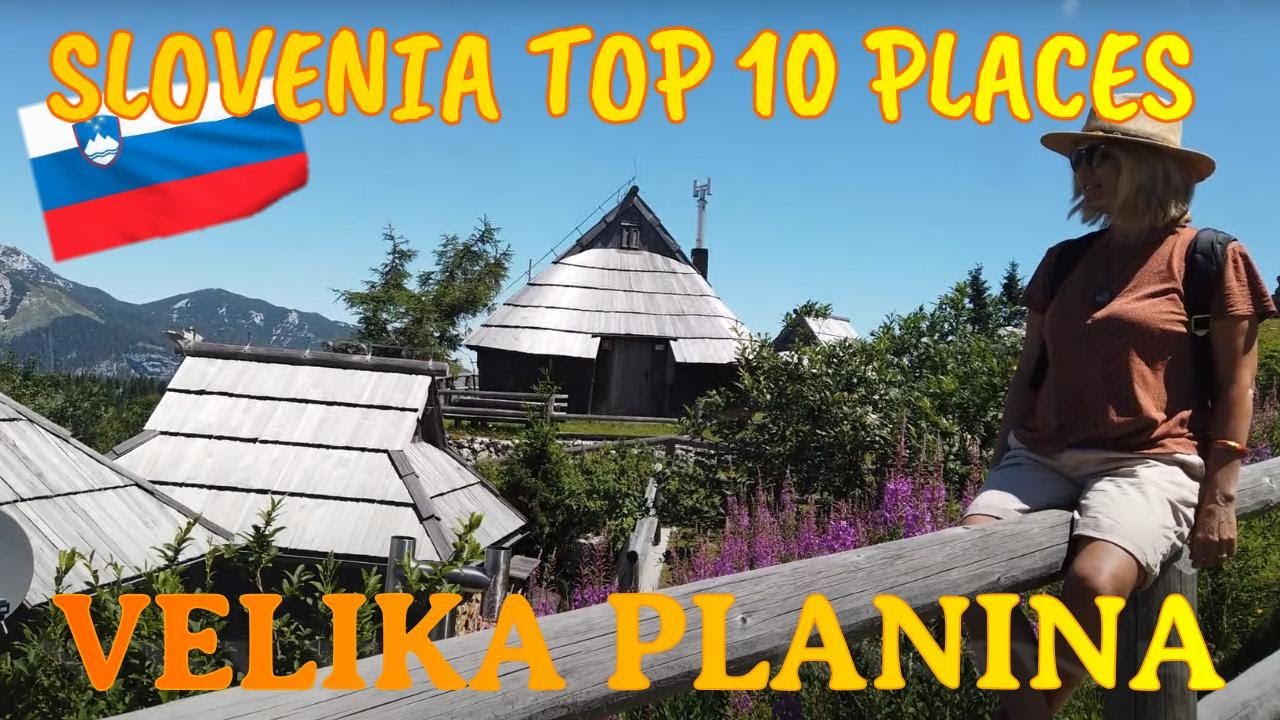
If you type the above address into the navigation, it will take you directly to the lower gondola station. A double-seater gondola will take you to the very top.
Velike planina is the largest high mountain in Slovenia. This day trip will take you to the mountain world of shepherds with a rich tradition of pastoralism and beautiful nature. You can visit it both in summer and winter, as the mountain is also a winter sports centre with a gondola lift, a double chairlift, ski lifts, guesthouses and mountain lodges, as well as private tourist chalets built on the model of shepherd’s huts.


Kamnik is one of the most beautiful and oldest medieval towns in Slovenia. It lies in the lap of the Kamnik-Savinja Alps and boasts numerous cultural and sacral monuments.
At the end of the 19th century, the old town became important as a place where nature and mountaineering enthusiasts come from all over. Visitors know it as a starting point for excursions. Many people follow the river Kamniška Bistrica along its glacially transformed valley towards its source in the heart of the Kamnik-Savinja Alps. Koželjeva pot (a trail) runs along the river, which also leads past the famous Predaselj Gorge. The Kamniška Bistrica attracts walkers, hikers, hunters and fishermen.
Arboretum Volčji Potok is the most visited botanic garden in Slovenia!
The spacious landscape park with gravel paths offers the possibility of taking long walks and peaceful rest in tranquillity and greenery. Tulips and other flowers, rhododendrons, roses, and water lilies cheer up flower lovers, and the rich assortment of trees and shrubs, together with the natural forest and wet meadows, are interesting for friends of gardens and nature.
Have fun,
Reset Apartments team

From the car park, head straight to the banks of the Ljubljanica River, and continue left (right bank of the Ljubljanica) until you reach the famous Triple Bridge, which is located right next to Prešeren Square. The bridge is the work of the famous Slovenian architect Plečnik.

We suggest that you set off in the evening, after 5 pm, as the trip to the Slovenian capital Ljubljana is not a full-day trip like the other trips described in the “Explore Slovenia” section. Ljubljana is a city of bridges, so we suggest that you start with a walk along the Ljubljanica River to experience the pulse of the city and explore its beautiful bridges, terraces, and the many cafés that line its banks.
You can continue your walk along the right bank of the Ljubljanica as far as the Butcher’s Bridge, or a little further on to the Dragon’s Bridge, where you can also cross the river and return along the left bank to Plečnik’s bridge through the Ljubljana Market.

Fishmarket (Ribja Brv) Footbridge

Franciscan Church

France Preseren monument

Triple bridge Tromostovje

Bucher’s (Mesarski) bridge

Dragon’s (Zmajski) bridge
When you get back to the Triple Bridge, turn right towards the town squares with the Town Hall and Robba Fountain.

Central Market

Robba Fountain

Ljubljana Cathedral
The Robba Fountain is also known as the Fountain of the Three Carniolan Rivers and is the fountain that stands in front of Ljubljana Town Hall at Town Square It was originally made in 1751 by the Italian sculptor Francesco Robba and is one of the city’s most recognizable symbols.
Turn left at the fountain to see Ljubljana Cathedral – the Baroque Church of St Nicholas, and continue all the way to Krek Square, where the lower station of the funicular railway is on your right, taking you to Ljubljana Castle.

Ljubljana castle is a contemporary castle with a rich history. It is located on the green hill in the middle of the city, behind ancient walls, and is a rich world of historical, cultural, and other entertaining content. Whenever you want to get closer to the sun, or when you need a different view of the world, food for your soul, or a delicious meal, it is an excellent time to climb to the Ljubljana Castle.
Have fun,
Reset Apartments team

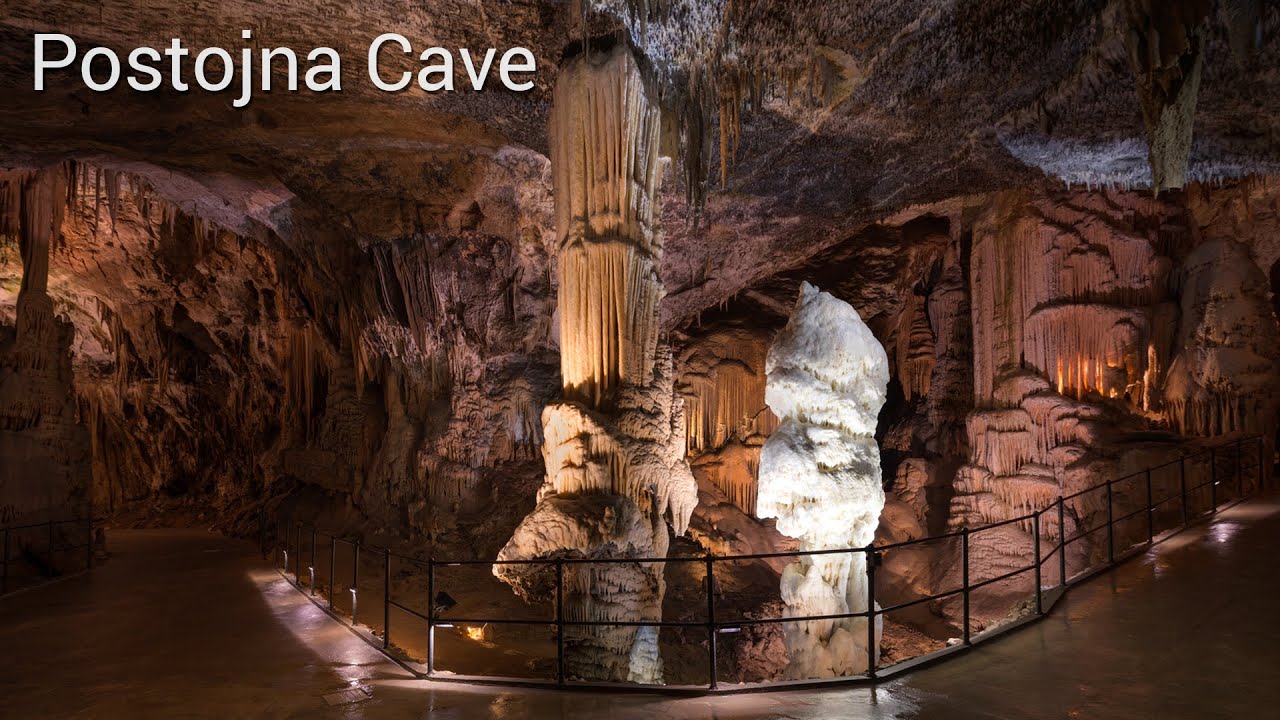
Postojna Cave is one of Slovenia’s must-see attractions. It is the most visited karst cave in Europe, with more than 38 million visitors in 140 years. It is famous for its well-organized guided tours, which take you through the karst tunnels, galleries, and underground halls by underground railway (there are 5 km of underground routes for tourist visits). In an hour and a half tour, you will get to know all the most important sights of the cave and learn more about the endemic human fish…
Recommended restaurants for launch: Restaurant Modrijan Homestead, Jamski Dvorec
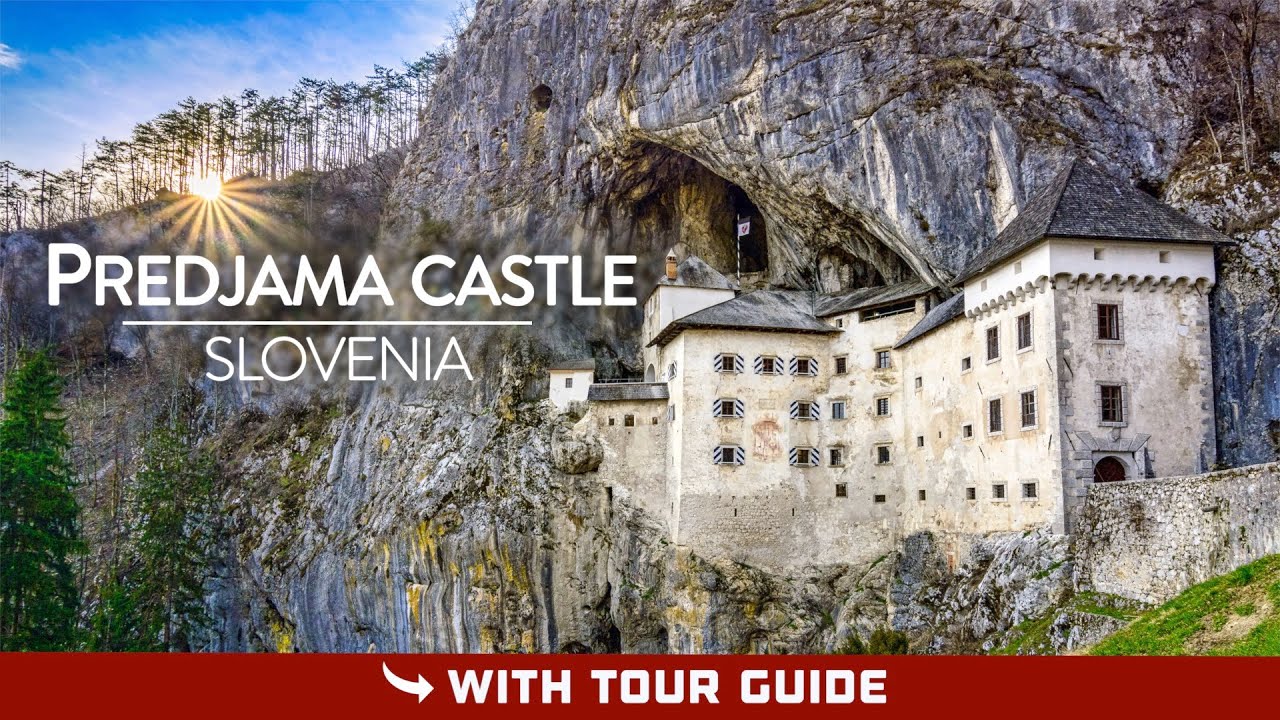
Predjama Castle is just a few kilometers from the entrance to Postojna Cave. It is even listed in the Guinness Book of World Records as the largest cave castle in the world. Inside the castle, you can see numerous replicas of weapons ranging from spears and helmets, swords, war hammers, bows, crossbows, and armor…
Lipica is the home of the Lipizzan horse and the biggest Lipizzan stud farm in the world. Experience it in the company of over 300 white Lipizzan horses across more than 300 hectares of green space.
The Lipica estate is the central attraction of the Karst region, and one of Slovenia’s main cultural monuments. In addition to the breeding of horses, Lipica is also a monument with over 400 years of cultural and natural heritage that was co-shaped in harmony between man and horse.
Have fun,
Reset Apartments team


