Postojna Cave

Postojna Cave

Every day is a second chance for an unforgettable trip

Postojna Cave

Starting poing:
Destination address:
Reset Apartments, Kranjska Gora
Jamska cesta 30, Postojna
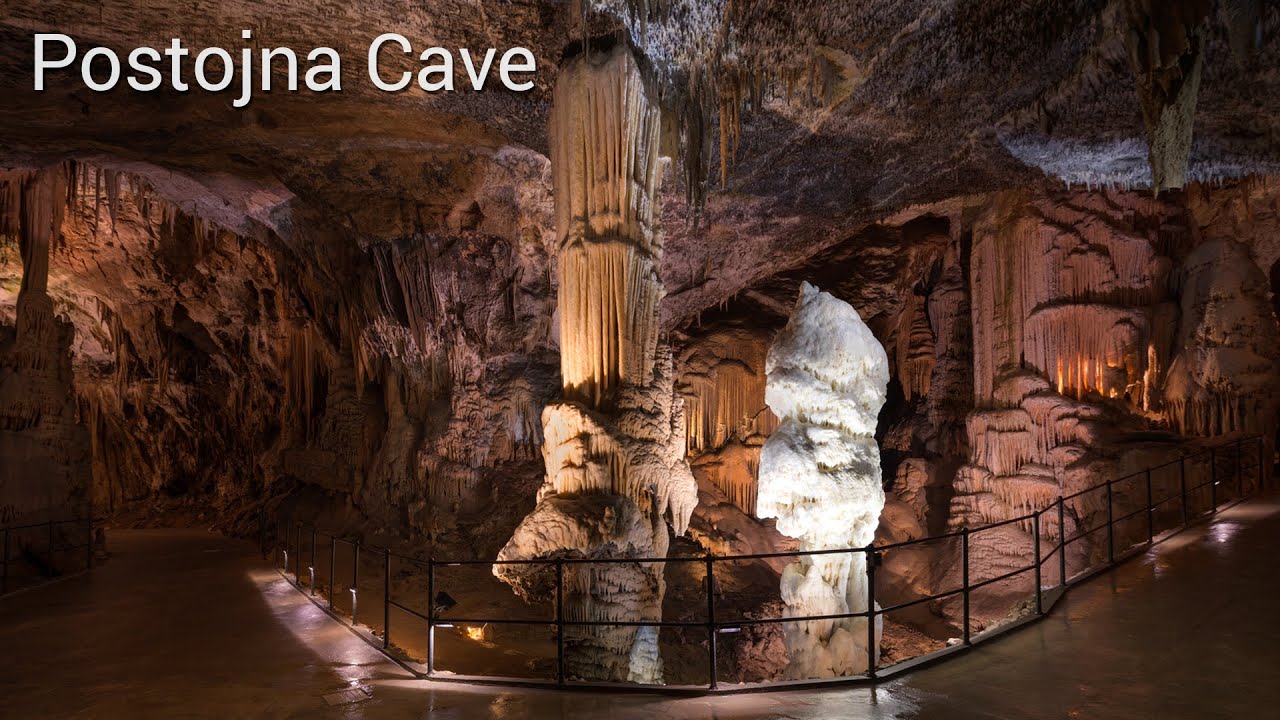
Postojna Cave is one of Slovenia’s must-see attractions. It is the most visited karst cave in Europe, with more than 38 million visitors in 140 years. It is famous for its well-organized guided tours, which take you through the karst tunnels, galleries, and underground halls by underground railway (there are 5 km of underground routes for tourist visits). In an hour and a half tour, you will get to know all the most important sights of the cave and learn more about the endemic human fish…

Recommended restaurants for launch: Restaurant Modrijan Homestead, Jamski Dvorec

… Predjama Castle

Destination address:
Predjamski Grad, Predjama 1, Postojna

A fairytale world of knights and kings

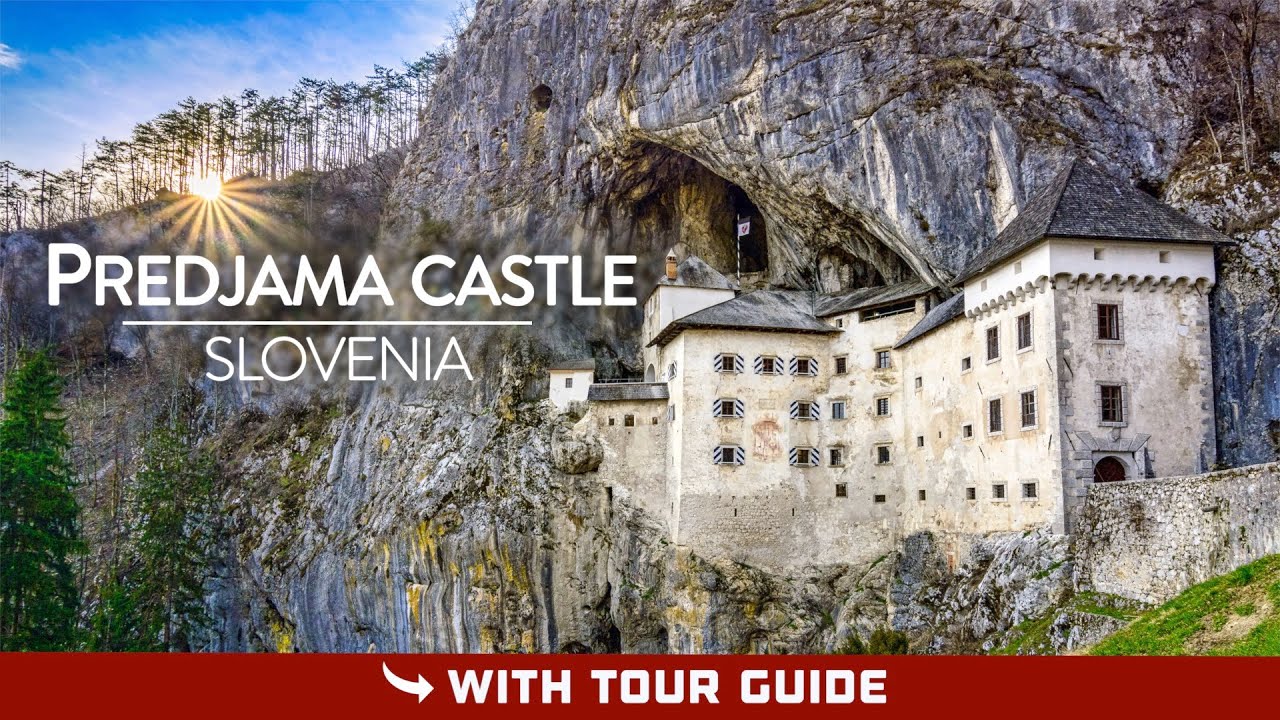
Predjama Castle is just a few kilometers from the entrance to Postojna Cave. It is even listed in the Guinness Book of World Records as the largest cave castle in the world. Inside the castle, you can see numerous replicas of weapons ranging from spears and helmets, swords, war hammers, bows, crossbows, and armor…
YouTube player

… Lipica Stud Farm

Destination address:
Lipica stud farm parking, Lipica 15c, Sežana

Lipica is the home of the Lipizzan horse and the biggest Lipizzan stud farm in the world. Experience it in the company of over 300 white Lipizzan horses across more than 300 hectares of green space.

The Lipica estate is the central attraction of the Karst region, and one of Slovenia’s main cultural monuments. In addition to the breeding of horses, Lipica is also a monument with over 400 years of cultural and natural heritage that was co-shaped in harmony between man and horse.

Get up early because it will be a full-day experience 🙂
We hope you enjoy it.

Have fun,
Reset Apartments team


Lake Bled and Bohinj

Lake Bled and Bohinj

Every day is a second chance for an unforgettable trip

Lake Bled and Bohinj

1. Vintgar gorge

Starting poing:
Destination address:
Reset Apartments, Kranjska Gora
Vintgar parking P1, 4247 Podhom

Start with a morning walk through the gorge

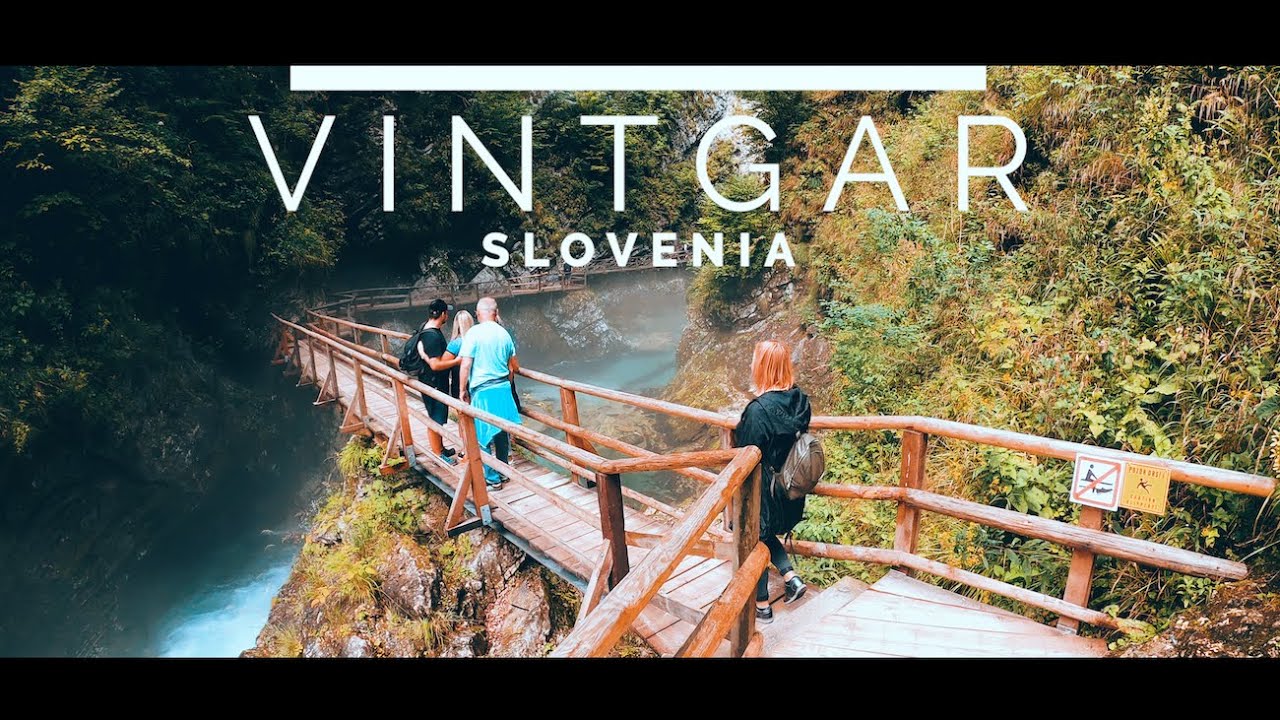
Vintgar Gorge is a 1.600 m long and up to 250 m deep gorge on the eastern edge of the Triglav National Park. The place you just must visit!

Buy tickets online

Find out more about Vintgar gorge

YouTube player

The above address will take you directly to the car park at the entrance to the Vintgar Gorge. We recommend starting your trip early, as there are not many visitors in the neighborhood at that time. As the number of tickets is limited, we also recommend that you book online.

2. Visit Bled castle

Destination address:
Grajska cesta 61

More than 1.000 years of history

One of Slovenia’s oldest castles with a history spanning more than a thousand years, Bled Castle captivates visitors with its magnificence, stunning location…

Buy tickets online

Find more about the castle

YouTube player

Continue your tour at Bled Castle, where you can also leave your car and explore the lake and its surroundings on foot. The castle has more than a thousand years of history to show for it, which is why it invites you to visit its museum collection. It can serve as a resting place after a trip through the Vintgar Gorge, before lunch and a tour of Lake Bled itself.

3. Walk around the lake

From Bled Castle, walk down to the lake around which there is a circular, 6 km long walking trail that will take you an hour to an hour and a half of slow walking (you can also hire a horse-drawn carriage for the journey). Go around the lake in an anti-clockwise direction. The trail is beautifully maintained and offers wonderful views of the island of Bled, numerous viewpoints for great family photos, and terraces for a short break for a good lunch, coffee, or dessert.

Lakeside restaurants (lunch):

Bled Castle Restaurant, Restaurant Sova Bled, Restaurant Julijana, Vila Preseren…

Bled Cremeschnitte

If you’re already in Bled, the Bled Cremeschnitte is one of the things you must try as it is the symbol of Bled cuisine! Before you go any further, you can try it at the Kavarna Park, which is located by the lake itself, to the right of the castle, close to the point where you started your journey around the lake.

For more information about the dessert, click here

Kavarna Park Hotel

4. Visit the famous Bled island

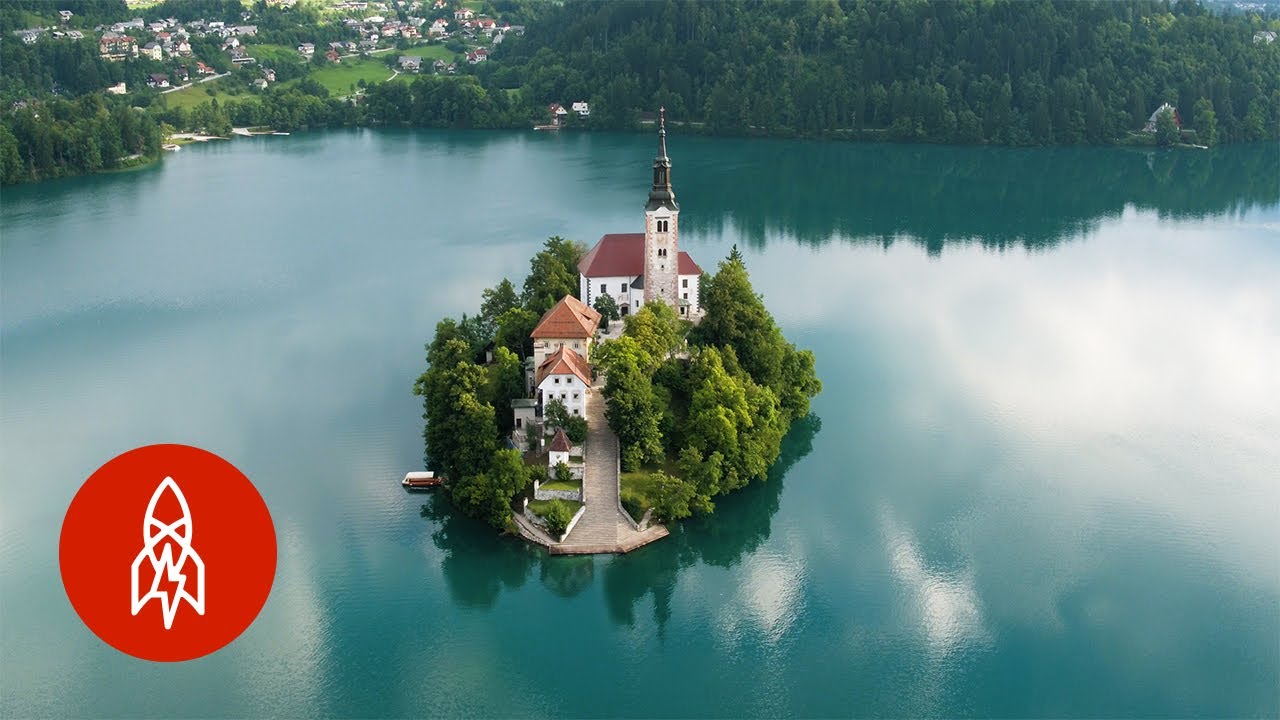
Bled island with its church of the Mother of God is one of the most recognizable Slovenian symbols. The wishing bell is popular among the many visitors who come to the island. When they ring the bell, they recommend themselves to the Mother of God and express their wishes and requests for her to hear them.

YouTube player

Take a ride on the traditional Bled Pletna

Near Kavarna Park, there are several stops for the pletna, which takes tourists to and from the island. A pletna is a handmade wooden boat, 7-8 meters long and about 2 meters wide, with a flat bottom, which is propelled by the helmsman (pletnar) by standing up the oars. The boat is one of the major tourist attractions of Lake Bled.

For more information about the island, click here

Pletna boats

5. Sunset at Lake Bohinj

Destination address:
Parkirisce, Stara Fuzina 3, Bohinjsko jezero

Crystal clear waters

Lake Bohinj is a 4.2 km long and 1 km wide glacial lake. It is the largest lake in Slovenia fed by numerous streams from the surrounding mountains.

Find more about the lake

YouTube player

Lake Bohinj is the final destination of the trip. It offers a stunning view of the surrounding mountains. You can take a short walk across the bridge to explore the the lake and Church of St John the Baptist or have dinner in the nearby restaurant called “Restavracija Kramar“.

Get up early because it will be a full-day experience 🙂
We hope you enjoy it.

Have fun,
Reset Apartments team
 

Kobarid Museum

Kobarid Museum

EXPLORE LOCAL HERITAGE

Kobarid Museum

Lake Jasna
66.8 km
1 h 40 min drive
Must see
Kranjska Gora, Slovenia

The Kobarid Museum is a history museum in Kobarid (Soča Valley), founded in 1990 with the aim of preserving, researching and presenting the First World War, especially the Isonzo Front. In terms of the number of visitors, the Kobarid Museum is one of the most visited museum collections in Slovenia. In 1992 it received the highest national award, the Valvazor Prize, and a year later the Council of Europe Museum Prize.
The museum opened its doors to visitors on 20 October 1990 in the former Mašera farmstead, which was built in 1739. The house was first owned by the Peteani and Obrez families and later became the property of four generations of the Mašera family. It was badly damaged by an earthquake in 1976, but was rebuilt in 1990.

The collection is displayed in twelve rooms, spread over two floors, representing life on the battlefield and in the rear. The 12th Battle of the Isonzo Front, also known as the “Miracle of Kobarid“, is presented in more detail, and you can find out more about it by watching a short film in the multimedia room.

A cannon and a grenade stand in front of the museum. In the corridor on the ground floor, there are several memorials of the fallen Austro-Hungarian and Italian soldiers on the front. The museum also displays a model of the nearby peaks, showing cable cars, footpaths, mulattoes, and the border between Austria-Hungary and Italy. Visitors can also learn about the cavern where a soldier sits writing a letter to his father. In the uniform room, there are uniforms of different nations. Interestingly, not all soldiers of the Austro-Hungarian army had the same uniform. Those from the Serbian part of the Austro-Hungarian Empire had different uniforms from those from the Slovenian area. There is also a collection of weapons; pistols, rifles, grenades, etc.

Ernest Hemingway described the days of terrible trials in his novel A Farewell to Arms, and for Erwin Rommel, the Battle of Kobarid marked an important milestone in his brilliant military career. In addition to a plethora of documentary and photographic material and exhibits, the museum offers a subtle insight into the social, economic, and political fabric of society at the time, and exposes the absurdity and profound unethical nature of war through the narratives of experienced guides.

How to get to the Kobarid Museum?

From Kranjska Gora, you can either drive to the museum via the Vršič Pass and the Trenta Valley (1h 45 min) or through Italy via Trbiž and the Predil Pass (1h 25 min), passing Bovec to Kobarid. The route through Italy is faster by about 20 minutes and less steep. On this route, you can also stop at the beautiful Lake Rabelj. The route over Slovenia’s highest road pass is very scenic as it is surrounded by the Julian Alps. Along the way, you can stop at the Russian Chapel, at various viewpoints, take a break and have lunch in one of the lodges along the way or at the top of the pass and look for the face of the Pagan girl in the rocks.

Sights in the immediate vicinity

If you head to the Kobarid Museum, you can also see:

  • the Soča River and the water activities (rafting, canyoning, etc.)
  • the Virje waterfall
  • Tolmin Gorges
  • Kozjak waterfall
  • Tolmin Museum
  • Bridge on the Soča

Opening hours

  • January – March 10:00 – 17:00, every day
  • April – June 9:00 – 18:00, every day
  • July – August 9:00 – 20:00, every day
  • September 9:00 – 18:00, every day
  • October – December 10:00 – 17:00, every day

Visitors can visit the museum individually or in a group. The exhibitions are in Slovene, Italian, German, and English. For visitors who do not speak any of these languages, we offer a short summary in the other languages, which you will receive when you buy your ticket.
For groups of more than 15 people, a guided tour of the museum is already included in the ticket price. Individual guided tours are charged according to the price list.

Guided tours of the exhibitions are available in Slovene, Italian, German, English, Croatian, French, and Spanish. A typical guided tour of the Museum lasts one and a half hours and includes a 20-minute documentary film screened in Slovenian, Italian, German, English, French, Spanish, Czech, and Hungarian, subtitled in Hebrew, Russian and Croatian. The guided tour can be tailored to the wishes and requirements of the visitors. The museum is also open outside opening hours for groups with prior notice.

Image Gallery
Video

YouTube player

Kajznik House

Kajznik House

EXPLORE LOCAL HERITAGE

Kajznik House in Ratece

Lake Jasna
Easy
!
Elevation: 818 - 870 m
4,7 km
*
52 m of height difference
1 h walk
Asphalt - Macadam
Kranjska Gora, Slovenia

Kajžnek House is one of the restored buildings with preserved traditional architecture. The eastern façade of the house preserves a fresco of St Florian, while the southern façade has a sundial. Inside the house, evidence of the existence of the original wooden building has been found. The 19th-century appearance of the house has been partially preserved but without the outbuildings. Of the carefully crafted joinery, parts of the built-in cupboards and the stucco decoration in the house survived, in addition to the front door, the black kitchen, and the pantry.

There you can see a reconstruction of the equipment of the black kitchen and the pantry, exhibitions on Rateče traditional costumes and local history, old films on the still preserved customs and ski jumping in Planica, and an exhibition of handicrafts – products of the members of the Rateče – Planica Tourist Association. In 1995, the Municipality of Kranjska Gora bought the Kajžnek House, which had been damaged by fire, and gradually restored it under the expert guidance of the Kranj Institute for the Protection of Cultural Heritage until 2004.

Escape room museum

In 2022, the museum was transformed into one of the few ‘escape room museums’ in Europe. A fascinating escape game program was created, steeped in the rich history of Rateče. The experience is the perfect activity for families or friends who want to learn a lot about the traditions and history of the Alpine village while having fun. The game is made up of 2 to 5 players and usually lasts 1h.

How to get to Kajžnek’s house?

The Escape Museum is located in Rateče, the last Alpine village before the border with Italy. It can be reached by taking the main highway past Kranjska Gora and Podkoren.

Nearby attractions

If you head to the Kajznik Museum, you can also see:

  • Zelenci nature reserve
  • Alpine village Ratece
  • Climb up to Tromeja (triple border/Italy-Austria-Slovenia) and enjoy the view of the Austrian mountains
  • Visit Planica and climb to the top of the Planica flying hill
  • Fly in the wind tunnel in Planica
  • Try the zip-line in Planica
Image Gallery
Liznjek House

Liznjek House

Explore local heritage

Liznjek House

Lake Jasna
Easy
!
Elevation: 811 m - 806 m
1.3 km
!
Height diference: 5 m
16 min walk
Asphalt road
Kranjska Gora, Slovenia

Built in the second half of the 17th century, the homestead is today an example of an authentic Slovenian Alpine house. It is located in the center of the village of Kranjska Gora and has been part of the museum collection of the “Gornjesavski museum Jesenice” since 1983.

National costume of Gorenjska

Inside the homestead, you can see, among other things, the old black kitchen, the “čumnata” (smaller room), the old stove, the paintings on the facades (frescoes, stitched edges, and tasseled ornament), the stone semicircular portal and the wooden balcony. A carved rosette with the year 1781 on a beam has also been preserved. Visitors can see the rich 19th-century furnishings of a wealthy farming family and various tools of some local trades. The house often offers space for various exhibitions and workshops.

How to get to Liznjek House?

The homestead is located near the center of the village of Kranjska Gora. To reach it, you have to go past the Church of the Assumption of the Virgin Mary and go on in the direction of the “Pri Martinu” guest house. You can park your car at Vitranc Hall and walk to the museum.

Nearby attractions

If you head to the Liznjek Museum, you can also see:

  • Church of the Assumption of the Virgin Mary in the center
Image Gallery