Krnica Valley

Krnica Valley

Leave the road, take the trails

Krnica Valley

Lake Jasna
Reset Apartments
^
Kranjska Gora
^
Jasna Lakes
Krnica Valley
Easy
!
Elevation: 811 m - 1.119 m
7.9 km
*
308 m of elevation
1 h 50 min walk
Asphalt - Macadam

MUST VISIT

Jasna Lakes
Krnica Lodge

WHERE TO NEXT?

Tour under Kriška wall
Vrsic mountain pass
Kranjska Gora, Slovenia

The route is suitable for mountain bikers!

The Krnica Valley Trail is one of the most popular hiking destinations in Kranjska Gora, as it is relatively gentle and easy. The valley belongs to the Triglav National Park and is surrounded by many peaks of the Julian Alps, which offer magnificent views of the mighty walls and peaks of Škrlatica, Prisank, Razor… These surround the valley from almost all sides. The valley is also one of the starting points for hikes in the surrounding mountains, and in winter it is a paradise for ski touring skiers.

The Krnica hut is almost completely covered with a blanket of newly fallen snow.

You will have to overcome a little more than 300 m of elevation gain to reach the Krnica lodge, but you will hardly notice it because the trail is evenly sloped from start to finish. Due to its popularity among hikers, the valley is quite busy at weekends, so you should go during the week.

How to get there

From the Reset Apartments, turn left along the cycle path back to Kranjska Gora. In the center, turn right to continue to the Best Western Hotel, where you turn right onto Vršiška cesta (‘Vršiška road’). In just a few minutes you will arrive at the first obligatory stop – Lake Jasna. You can cross the road on the macadam path that runs between the right bank of both lakes and the Pišnica River. Continue to the bridge over the river, where the macadam trail to Krnica branches off to the left. There is also a sign indicating whether the Krnica lodge is open.

The macadam trail along the Pišnica river is well-maintained and properly signposted. The last part of the trail leads through the forest and takes you to the Krnica lodge, which is open every day during the tourist season and at least at weekends during the off-season. Here you will be able to refresh yourself with local delicacies and ‘spoon meals’, and we recommend the lodge as the final destination of your hike.

If you like cycling, you can also go mountain biking.

    Activities

    The banks of the Pišnica river are famous for their snow-white gravel and are very interesting for younger children with their many small dead channels. Here you can have a family picnic while the children can explore nature and play by the water.

    If the path to the lodge is too short for you, you can continue to the walls of Križ, which close off the valley path, or you can choose one of the many mountain hikes that lead to the peaks of the surrounding mountains.

    View of the surrounding mountains:

    • Rušica (2.096 m)
    • Špik (2472 m)
    • Škrlatica (2.740 m)
    • Stenar (2.501 m)
    • Dolkova špica (2.591 m)
    • Križ (2.140m)
    • Kriški podi (2.050 m)
    • Razor (2.601 m)
    • Prisank (2.547 m)
    • Goličica (2.101 m)
    Video

    YouTube player

    Pericnik Waterfalls

    Pericnik Waterfalls

    LEAVE THE ROAD, TAKE THE TRAILS

    Pericnik Waterfalls

    Reset Apartments
    ^
    Mojstrana
    Vrata Valley
    Pericnik Waterfall
    Medium
    Must see
    !
    Elevation: 647 m - 771 m
    19.2 km
    4.7 km from Mojstrana
    *
    Height difference: 124 m
    19.6 km
    300 m forest walk

    MUST VISIT

    Slovenian Alpine Museum in Mojstrana
    Jakob Aljaz Lodge

    WHERE TO NEXT?

    Uper Vrata Valley
    Kranjska Gora, Slovenia

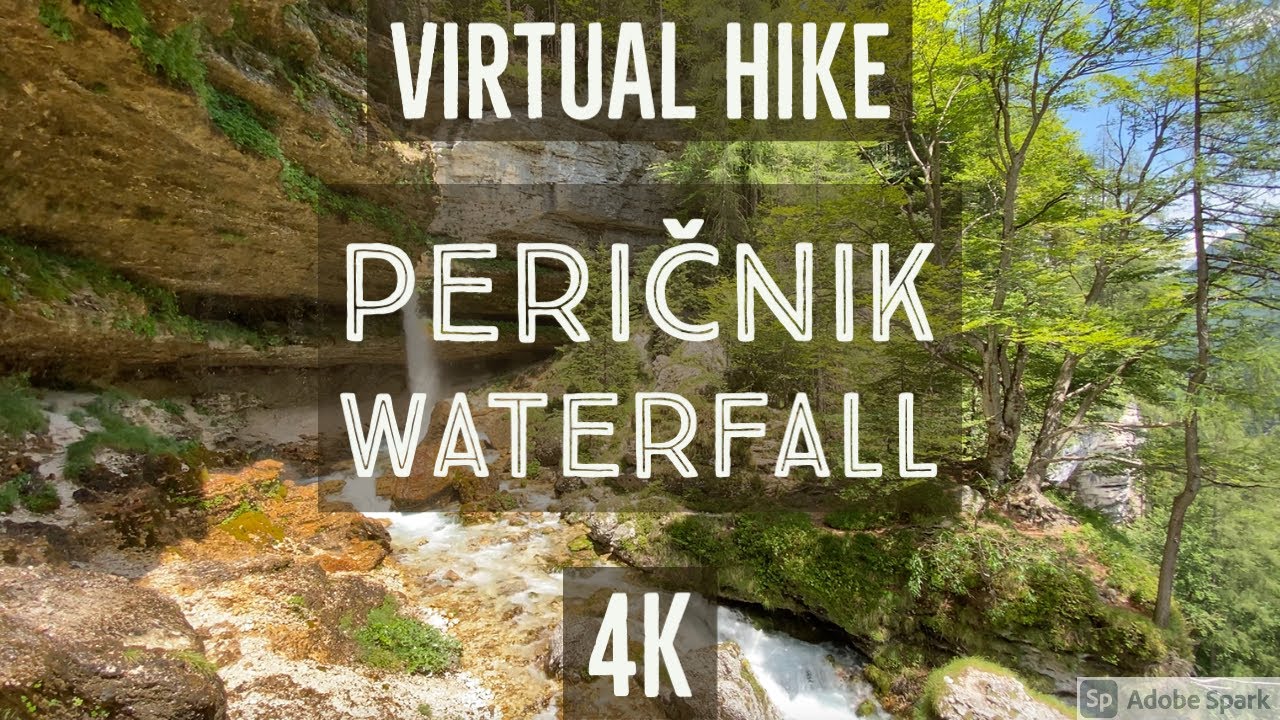
    A protected natural heritage Pericnik Falls is one of Slovenia’s highest and best-known waterfalls. Both of the waterfalls are free to visit, have easy access and offer stunning scenery. You can even walk behind one of the waterfalls so, if you are looking for a great family photo this is the right place for you. The falls are located in the glacial Vrata Valley in Triglav National Park, where the water of Pericnik Creek flows into Bistrica Creek. The upper Pericnik Fall is 16 m high and the lower is 52 m. Must see 🙂

    A view from behind the waterfall.

    Getting to the waterfalls

    The waterfalls can be visited in both summer and winter. It is most attractive in autumn or spring when the water level is higher, and in winter, when temperatures drop below zero for longer periods and the waterfalls transform into a beautiful curtain of ice candles and sculptures.

    We recommend that you go directly to the waterfalls by car or at least drive to the village of Mojstrana, from where you can continue on foot through the glacial valley of Vrata. From the apartments, you can also cycle along the cycling route to Mojstrana (described in the Mojstrana article), from where you will have a slightly more difficult climb directly to the waterfalls themselves. In the summer months, there is also a tourist bus from Kranjska Gora to the waterfalls (click here for the timetable).

    In any case, the route to the waterfalls starts in the village of Mojstrana, from where you follow the road through the glacial valley of Vrata all the way to the car park and the lodge at the Peričnik waterfall. Whether you set off by bike, car, or bus, you will have to continue on foot from here. The forest path is well maintained and fortunately not long. It runs along the right bank of the Peričnik River (on the right side if you are looking from the direction of the car park) and after about 10 minutes it leads to the first viewpoint at the lower waterfall, which you can see from all sides as the path leads directly from the waterfall.

    If you want to see the upper waterfall, you will have to go back along the same path a few tens of meters to the Peričnik – upper waterfall marker, where the path starts to climb steeply all the way to the viewpoint at the upper waterfall.

    Attractions in the surroundings

    If you are already in this area, it would be a pity not to continue all the way to the end of the Vrata valley, where the well-known Aljažev dom (Aljaž Lodge) stands at 1015m, with a wonderful view of the northern face of Slovenia’s largest mountain, Triglav. You can also see a giant wedge with a carabiner, a memorial to all the victims who were taken by the mountains.

    On the way back, we suggest you visit the Slovenian Alpine Museum in Mojstrana. For more information about the museum, click here.

    Vrata Valley is a starting point for excursions and hikes in the mountains

    Vrata Valley is one of the best-known starting points for mountaineering tours to many of the surrounding mountains.

    Easy routes:

    • Zgornje Kriško jezero – Upper Lake Kriško (past Pogačnikov dom – Pogačnik Lodge
    • Koča na Doliču
    • Kanjavec
    • Luknja
    • Bivak na Rušju (a bivouac)
    • Bivak pod Luknjo (a bivouac)
    • Gubno
    • Kucelj (Julian Alps)

    Moderately difficult routes:

    • Pogačnikov dom na Kriških podih (via Sovatno)
    • Spodnji Stenar (over Sovatno)
    • Križ (past the bivouac at Rušje)
    • Kriški rob (over Sovatno and past Pogačnikov dom)
    • Šplevta (Indijanec)

    Difficult mountain hikes::

    • Triglavski dom na Kredarici (over Prag)
    • Bovški Gamsovec (over Luknja)
    • Bovški Gamsovec (via Sovatno)
    • Stenar (over Sovatno)
    • Stenar (over Stenarska vratca)
    • Dolkova špica (western route)
    • Križ (over Sovatno)
    • Rjavina (over Prag)
    • Cmir (over Prag)
    • Begunjski vrh (over Prag)
    • (Tominškova pot)
    • (over Prag)
    • Visoka Vrbanova špica (over Prag)
    • Planja (over Sovatno)
    • Šmarjetna glava (past Koča na Doliču)

    Caution! Extremely difficult hikes:

    • Triglav (Tominškova pot)
    • Triglav (via Plemenice)
    • Triglav (Gamsja cesta round Triglav)
    • Razor (via Sovatno)
    • Dolkova špica (eastern route)
    • Dolkova špica (along the south-east ridge)
    • Križ (over Stenarska vrata)
    • Cmir (Tominškova pot)
    • Rjavina (Tominškova pot)
    • Rogljica (western route)
    • Begunjski vrh (Tominškova pot)
    • Glava v Zaplanji (over Plemenice)

    Mountaineering ascents:

    • Spodnji (Lower) Rokav (Potočnik – Tominšek)

    View of the surrounding mountains:

    • Triglav (2.864 m)
    • Stenar (2.501 m)
    • Begunjski vrh (2.461 m)
    • Sleme (1.656 m)
    • Kukova špica (2.417 m)
    • Dolkova špica (2.591 m)
    • Dovški Križ  (2.542 m)
    • Škrlatica (2.740 m)
    • Razor (2.601 m)
    • Križ (2.140 m)
    • Bovški Gamsovec (2.392 m)
    Video

    YouTube player

    Zelenci Nature Reserve

    Zelenci Nature Reserve

    Walk more – Worry less

    Zelenci Nature Reserve

    Zelenci National Park
    Reset Apartments
    ^
    via D-2 cycling route
    Zelenci Nature Reserve
    Very Easy
    !
    Elevation: 818 m - 855 m
    3.6 km
    *
    37 m of height difference
    45 min walk
    Mostly asphalt road

    MUST VISIT

    Podkoren Village

    WHERE TO NEXT?

    Podkoren village
    Ratece village
    Planica Nordic Center
    Tamar walley
    Tromeja
    Kranjska Gora, Slovenia

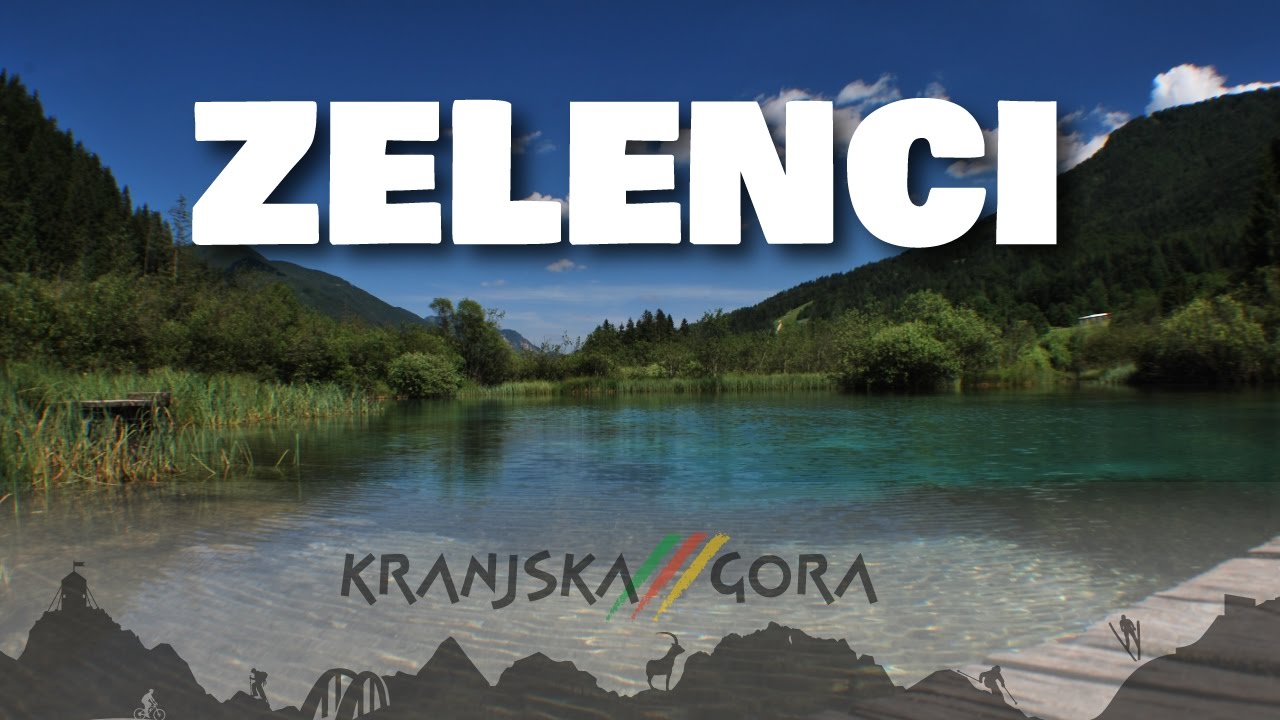
    The easily accessible Sava Dolinka spring with its fascinating flora and fauna is the perfect walking destination for those looking for a relaxing break in nature. A natural reservoir with a magnificent view from a wooden observation tower over an emerald green marsh full of sand swirls, carnivorous sundews, amphibians, and nesting birds. The name Zelenci was given by the lake’s chalk layers and the numerous extremely clear springs that color the water a distinctive blue-green shade. The marsh, which never freezes, lies on the northern edge of the Triglav National Park. It is bounded to the south by the densely vegetated Vitranc Peak and to the north by the Karavanke Mountains.

    Crystal-clear spring water reflects the surrounding peaks of the Julian Alps

    Zelenci Spring is the remnant of the formerly larger Lake Koren, which was formed after the retreat of the Planica glacier. Sava river gradually overflowed through this natural dam and the lake level dropped until only the Zelenci and the surrounding marshes remained.

    From here comes the Sava Dolinka (219 km), which is in fact another source of a submerged stream called the Nadiža, which rises near the mountain lodge in Tamar and flows under the rubble for most of the valley.

    The greens have a constant temperature of 5 to 6 degrees Celsius under normal conditions, together make up an area of about 14 hectares and do not freeze in winter. The bottom of the lake is covered by porous lacustrine chalk, which permanently percolates groundwater in the form of ‘volcanoes’, a unique case in Slovenia. In 1992, the Zelenci were declared a nature reserve by a decree of the Jesenice municipality.

    The area is home to vulnerable species on the Red List of Threatened Species. These include the common rosefinch, the whiskered bat, and the viviparous lizard. The carnivorous plant round-leaved sundew, which is protected under the Protected Species Regulation, is also on the red list due to its endangered status. The area around the spring is home to moisture-loving plants such as carex, alder, and willow, and flowers such as Pedicularis palustris, Menyanthes trifoliata, narrow-leaved muhly (Eriophorum angustipholium), Triglochin palustre, water ranunculus (Ranunculus aquatilis).

    The famous naturalist Sir Humphry Davy is said to have written about Zelenci: “I liked the Sava Valley with its waterfalls and lakes the best. I know of nothing better in Europe.”

    How to get to the spring?

    A forest path leads off the cycle path on one side. You can reach it on foot, by bike or by car. In the direction of Rateče in Podkoren, turn onto the cycling route and continue to the parking area next to Zelenci. For the forest path from the other side, the starting point is in the parking area next to the main road. You can reach it by car on the way to Rateče.

    Activities

    The destination is ideal for a pleasant walk or a cycling stop. The water is not suitable for swimming due to the risk of eddies and live sand.

    • Walking on well-maintained paths through the swamp.
    • Enjoying the view from the viewing platform
    • Taking a photo for the perfect Instagram picture

    Zelenci can serve as a starting point for:

    • a visit to Planica and a walk to the top of the legendary “Giant Ski Jump”
    • a walk to the lodge in Tamar
    • a visit to Triple Border (SI-IT-AU)
    • a walk through the Alpine village of Podkoren

    Attractions

    • a viewing bridge with the tower
    • explanatory signs
    • rare species of plants and animals
    • water eddies

    Sights in the immediate vicinity

    If you are heading to Zelenci, we recommend you visit:

    • “Escape” museum in Rateče
    • Village linden trees in the center of Podkoren

    View of the mountains in the surroundings

    • Mangart (2.679 m)
    • Visoka Ponca (2.228m)
    • Kotova Špica (2.376)
    • Jalovec (2.645 m)
    • Travnik (2.379 m)
    Video
    YouTube player
    Vrsic Mountain Pass

    Vrsic Mountain Pass

    Life is a beautiful ride

    Vrsic Mountain Pass

    Reset Apartments
    ^
    Kranjska Gora
    ^
    Lake Jasna
    ^
    Russian Chappel
    Vrsic
    Hard
    !
    Elevation: 818 m - 1.611 m
    12.9 km
    *
    Height difference: 793 m
    Asphalt road

    MUST VISIT

    Lake Jasna
    Russian Chappel
    Pagan Girl in the cliffs

    WHERE TO NEXT?

    Trenta and Soca Valley
    Kranjska Gora, Slovenia

    At 1611 metres above sea level, Vršič is the highest road pass in Slovenia and in the whole of the eastern Julian Alps, connecting Kranjska Gora with the Trenta Valley and Bovec. The road was built during World War I by Russian war prisoners, whose sacrifices are commemorated by the Russian chapel above the road between Mihov dom (Miha’s odge) and the Koča na Gozdu (Lodge in the Woods). The mountain pass itself, apart from being an important link between the Gorenjska and Primorska regions, is one of the most important starting points for hiking tours to the peaks of Mala Mojstrovka (2332 m), Velika Mojstrovka (2366 m), Planja (2453 m), Prisojnik (Prisank) (2547 m), Razor (2601 m), Šitna glava (2087 m), Slemenova špica (1911 m), Sovna glava (1750 m) and Suhi vrh (2109 m). There are several mountain lodges in the summit: Erjavčeva koča (Erjavec lodge) (1515 m), Tičarjev dom (Tičar lodge) (1620 m), Koča na Gozdu (Lodge in the Woods) (1226 m) and Poštarska koča (Postman’s lodge) (1725 m).

    The Pagan Girl is a natural phenomenon that you really must see for its magnificence.

    The Vršič Pass is named after the 1,737 m high mountain of the same name, located between the Poštarski dom (Postman’s lodge) and the pass. As already mentioned, the pass is an important starting point for excursions and hikes to the many peaks of this part of the Julian Alps. There is no shortage of possibilities. From the top of the pass, you can go on short hikes or longer and more demanding mountain tours.

    Vršič as a starting point for excursions and hikes in the mountains

    Before you set off, make sure you check the weather conditions and choose the best route for your equipment and skills!

    • Easy trails:
      • To the Pagan girl and Poštarski dom (Postman’s lodge)
      • The trail to Slemenova Špica
      • Route to the top of Vršič
      • Route to the shelter below Špiček
      • Route over Šitna Glava to Mala Mojstrovka
      • Route to Šitna Glava
      • Route to Sovna Glava
      • Route to Prednje Robičje
    • Medium difficulty trails:
      • South trail to Mala Mojstrovka
      • Route to Zadnja Mojstrovka
      • Route to Travnik
      • Route to Kol
    • Difficult mountain trails:
      • Slovenian route to Prisank
      • Route to Planja
      • Ridge route to Travnik
      • Over the Jalovška škrbina or past the shelter below Špiček to Veliki Ozebnik
      • Route to Zadnjo Mojstrovka via Šitna Glava
      • Route to Suhi Vrh
    • Caution! Extremely difficult hikes:
      • Trail over Kajzljeva škrbina or along Kopiščarjeva, Jubilejna and Grebenska pot to Prisank
      • Hanzova or Južna pot to Mala Mojstrovka
      • To Jalovec past the shelter below Špiček or via the Jalovška škrbina
      • To Razor

    By bike to Vršič

    Cycling to Vršič is a challenge that many cyclists take up every year, either at the Vršič Cycle Race or at the annual Goni Poni fun event – a competition with antique bicycles from the Poni (Rog) brand. The road is beautiful and paved on some of the serpentines, but we must warn you that the tour is long and steep, and is really more suited to cyclists with a lot of fitness. If you don’t have much fitness, take the time to make short stops in the lodges along the way and with a bit of effort you will surely make it up the 52 serpentines.

    From the Reset Apartments, turn left along the cycling route to Kranjska Gora. Pass through the center on the right and turn right at the turnoff at the Best Western Hotel onto the Vršiška road, which will take you within a few minutes to the first obligatory stop – Lake Jasna. Continue to the bridge over the Pišnica river (the macadam road to Krnica branches off to the left), where the first more difficult climb begins, lasting until the first serpentine. There are 24 of them at the top.

    The trail continues all the way to Mihov’s dom (Miha’s lodge), and later to Koča na Gozdu (Lodge in the Woods), with the next obligatory stop being a visit to the Russian Chapel, built in memory of the Russian soldiers who were building the road over the pass during World War I and were tragically buried in an avalanche of snow. Just above the Koča na Gozdu, there is a lookout point with maps of the mountains and a magnificent view of the most famous natural window in the Julian Alps – the Prisank Window. The window is one of the largest natural mountain openings in Slovenia, 80 meters high and 40 meters wide.

    The final part of the trail is particularly interesting, as the forest border opens up to spectacular views of the magnificent two-thousand-meter mountains that surround the pass on all sides. There are three lodges at the top, where you will be catered for with home-cooked meals and spoon meals. We recommend that you visit Erjavečeva koča (Erjavec lodge) first, and then continue over the top of the pass, where you can leave your bicycles and walk to Tičarjev dom (Tičar lodge).

    A must-walk from the top of the pass!

    If you have already made the effort to get to Vršič, we strongly recommend that you take the time for a shorter walk past Tičarjev dom and on to the Poštarski dom (Postman’s lodge). Here the views are truly magnificent, and the path also leads past the Pagan Girl, one of the major landmarks of the Slovenian Julian Alps, carved by nature into the side of mountain Prisank. The image takes its name from a folk legend, a tale that partly describes the history of the Slovene nation.

    The trail itself is not long or difficult and is beautifully maintained, so it is suitable for younger children.

    View of the surrounding mountains

    • Visoka Ponca (2.228m)
    • Kotova špica (2.376)
    • Jalovec (2.645 m)
    • Travnik (2.379 m)
    • Visoka Peč (1.749 m)
    Video

    YouTube player

    Slovenian Alpine Museum

    Slovenian Alpine Museum

    EXPLORE LOCAL HERITAGE

    Slovenian Alpine Museum

    Lake Jasna
    15.7 km
    19 min drive
    Must see
    Kranjska Gora, Slovenia

    The Slovenian Mountaineering Museum houses a rich collection of historical artifacts and an extensive specialist library. It reminds visitors of the importance of mountaineering in Slovenia with a variety of photographic and archival materials. You can see the permanent exhibition, learn about the historical development of mountaineering in Slovenia and choose from a variety of souvenirs and books on mountaineering in the shop. An introductory film and eleven different sections with challenges, tests, and tasks add variety to the experience. If you collect all the stamps along the way, there’s a prize waiting for you at the end.

    The museum regularly organizes various temporary exhibitions, events, and activities. It also acts as an information point for the Triglav National Park, where you can get all the information you need about weather conditions in the mountains, open lodges, guides, and mountain trails.

    The first records of the establishment of the Mountaineering Museum date back to 1901. The Triglav Museum collection, which was accumulated in Mojstrana until 1984, was managed by the Dovje Mojstrana Mountain Association. It was not until 1997 that the collection became part of the “Gornjesavski museum Jesenice”, and the independent museum began to take on its modern form only ten years later. The inauguration ceremony took place in 2010.

    All guests of Reset Apartments can benefit from a 20% discount on tickets.

    How to get to the Mountaineering Museum?

    From Kranjska Gora, take the main road towards Jesenice and turn off towards Mojstrana. The museum resembles a high-mountain alpine shelter and is located on the left side of the road towards the Vrata valley.

    Sights in the immediate vicinity

    If you head to the Slovenian Mountaineering Museum, you can also see:

    • Aljaž’s House in Vrata
    • Peričnik waterfall
    • The village of Gornja Radgona
    • Lake Kreda
    • the Alpine village of Dovje

    Opening hours

    Summer opening hours (1 May – 31 October)

    • Every day: 9.00 – 17.00

    Winter opening hours (2.11. – 30.4.)

    • Tuesday – Sunday: 9.00 – 16.00
    • Monday: closed

    Parking at the museum is free for visitors. For more information, please contact the museum staff.
    Last admission: one hour before closing.

    Image Gallery
    Video

    YouTube player

    Tromeja (1.508 m)

    Tromeja (1.508 m)

    LEAVE THE ROAD, TAKE THE TRAILS

    Tromeja / Mount Pec (1.508 m)

    Reset Apartments
    ^
    Podkoren
    ^
    Koren pass
    Tromeja
    Easy
    !
    Elevation: 818 m - 1.508 m
    cca 9.4 km
    *
    Height difference: 690 m
    Asphalt/Forest/Macadam

    MUST VISIT

    Dom na Tromeji

    WHERE TO NEXT?

    Rateče village
    Kranjska Gora, Slovenia

    Suitable for mountain cyclists!

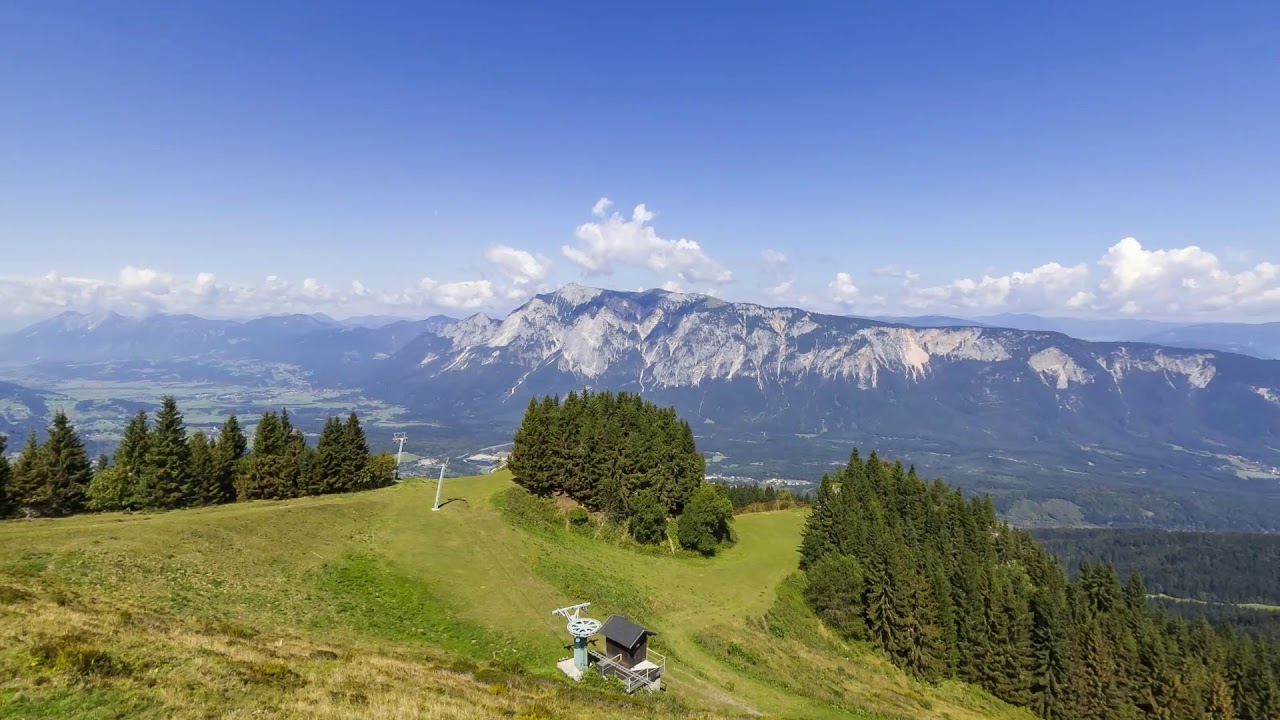
    Tromeja is famous for its annual meetings of the three countries, as the borders of Slovenia, Austria, and Italy meet here. Despite the 357 meters altitude difference, the trail is not difficult and is extremely suitable for families with younger children, and does not require any mountaineering equipment apart from good footwear. The circular route Kranjska Gora – Podkoren – Tromeja – Rateče – Kranjska Gora is also one of the most scenic mountain bike routes in Kranjska Gora, thanks to its views of the Planica Valley, the Karavanke Mountains, and the Austrian two-thousand-meter mountains.

    How to get to the top?

    There are two routes to Tromeja, one through the village of Podkoren and the other through the village of Rateče. We recommend that you choose the first one for the ascent, as it is more gently sloping. To avoid going back the same way, you can go around via the village of Rateče.

    From the Reset Apartments, turn left towards the village of Podkoren, where you turn right towards the Korensko sedlo (a mountain pass) and follow the road all the way to the crossroads just before the top of the mountain pass, where there is a small signpost for Tromeja. Here, turn left onto a wide macadam path that crosses a small stream a few times and leads downhill all the way to the top of Velika Peč mountain, where there is a common border point between Slovenia, Austria, and Italy.

    The trail is well signposted and leads mostly through extensive forests, which are a popular spot for mushroom pickers in autumn, all the way to the edge of the ski resort, where you can enjoy extraordinary views of the surrounding area. Go around the ski slope on the left and after a few meters, you will reach your destination.

    Return along the same path or turn towards the village of Rateče, known for its good village restaurants and tavernas. From Rateče you return along a cycling route that leads directly to our apartments.

    View of the surrounding mountains:

    • Škrlatica (2.740 m)
    • Razor (2.601 m)
    • Prisank (2.547 m)
    • Vitranc (1.636 m)
    • Jalovec (2.645 m)
    • Mangart (2.679 m)
    • Visoka Ponca (2.228m)
    • Kotova Špica (2.376)
    Video

    YouTube player